

Introduction
In applications where precision and reliability are paramount, Koenig miniature check valves are trusted by engineers around the world. These small yet essential components play a crucial role in ensuring the smooth flow of fluids while preventing backflow. This safeguards the integrity and efficiency of the system. In this guide, we explore the selection process for miniature check valves. Exploring the intricacies of their operation and providing practical insights to simplify the decision-making process.
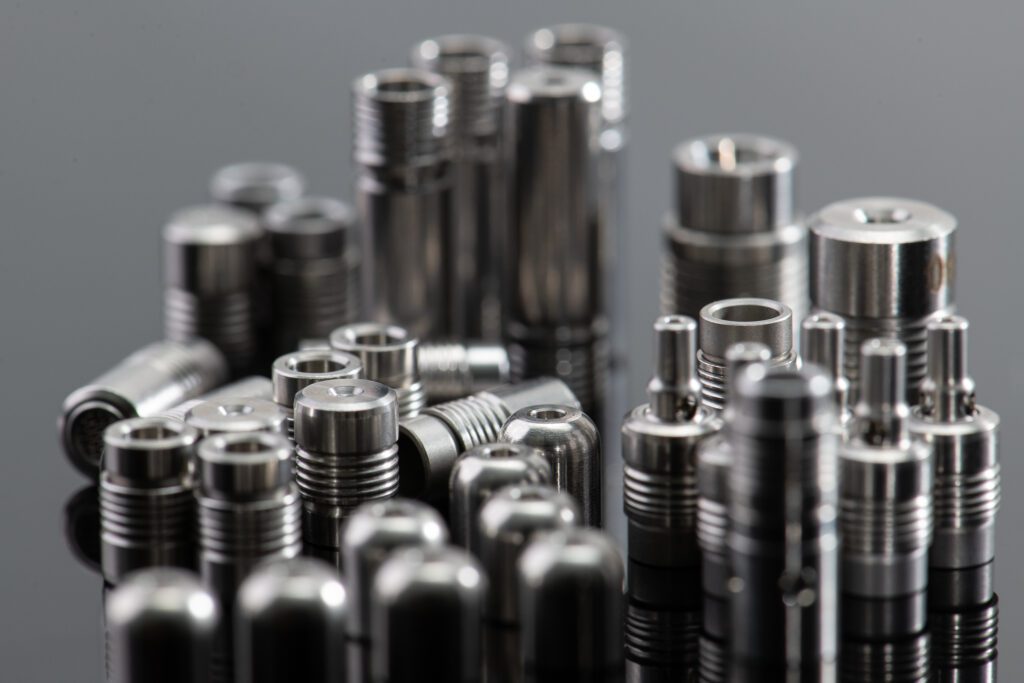
Step 1: Understanding Check Valves
Check valve are designed to allow fluid flow in one direction while preventing reverse flow. Miniature check valves, also known as one-way valves or non-return valves, function on this basic principle, employing a variety of mechanisms to achieve their purpose.
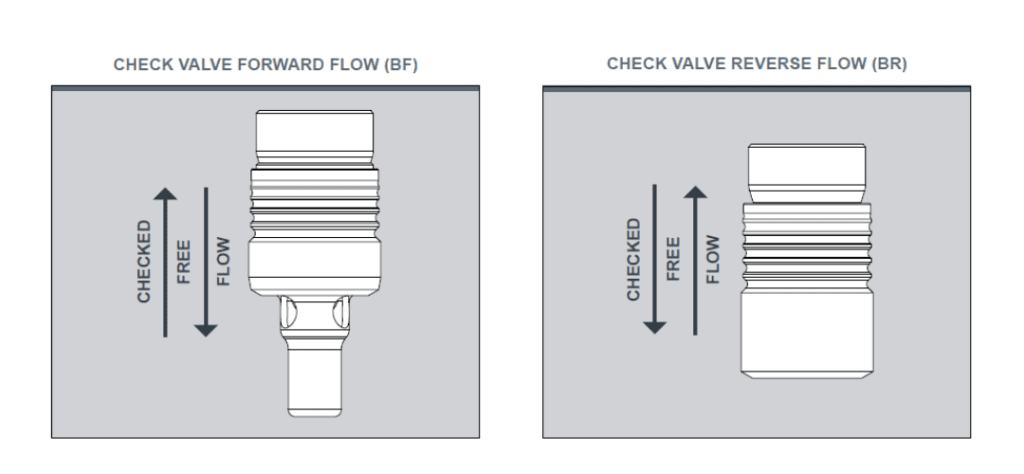
When fluid pressure exceeds a certain cracking pressure, the valve opens, allowing fluid to flow in the desired direction. Once the pressure drops below this threshold, the valve closes, preventing backflow and maintaining system integrity. This one-way flow mechanism is essential for applications where precise fluid control is necessary, such as medical devices, analytical instruments, and automotive systems.
Step 2: Key Considerations for Selecting Miniature Check Valves
When it comes to selecting miniature check valves, several key considerations come into play, each essential for ensuring optimal performance and reliability.
Reliability is perhaps the most critical factor to consider when choosing a miniature check valve. A miniature check valve that fails to perform consistently can lead to system malfunctions, costly repairs, and potential safety hazards. Therefore, selecting a reliable check valve from a reputable manufacturer is crucial for long-term success.
Precision is another crucial aspect to consider, especially in applications where accurate fluid control is essential. Whether it’s controlling the flow rate of a drug infusion in a medical device or regulating the fuel delivery in an automotive engine, precision is key to achieving optimal performance. Miniature check valves with tight tolerances accurately control fluid, minimising waste and maximising efficiency.
Performance requirements vary depending on the specific application and operating conditions. For instance, in high-pressure systems or extreme temperature environments, miniature check valves must withstand rigorous conditions without compromising performance. Selecting a valve rated to handle the maximum pressure and temperature requirements of the system ensures long-term reliability and safety.
Compatibility with environmental factors is another crucial consideration when selecting miniature check valves. Material compatibility with the operating environment is essential for preventing premature failure and ensuring system longevity. Whether it’s exposure to harsh chemicals, corrosive fluids, or extreme temperatures your check valve should be made of suitable materials. You should also consider factors such as fluid viscosity, flow rate, and system pressure to ensure optimal performance.
Step 3: Practical Tips for Effective Check Valve Selection
Here are some practical tips to consider:
- Cracking Pressure: Determine the minimum pressure required to open the valve and initiate flow. This cracking pressure ensures that the valve remains closed until the system reaches the necessary operating pressure. By selecting a check valve with the appropriate cracking pressure, you can ensure smooth operation and prevent premature valve opening.
- Working Pressure and Temperatures: Assess the maximum pressure and temperature conditions the check valve will encounter during operation. Select a valve rated to withstand these conditions without compromising performance or integrity. Additionally, consider potential pressure spikes or temperature fluctuations that may occur during operation. You should then choose a valve that can handle these variations without failure.
- Tight Seal: A snug fit is essential to prevent leakage and maintain system efficiency. Ensure that the check valve provides a tight seal under both static and dynamic conditions to minimise fluid loss and optimize performance. Factors such as valve material, design, and surface finish can all impact the sealing capability of the valve. Be sure to consider these factors when making your selection.
Conclusion
Selecting the right miniature check valve is a critical step in ensuring the efficiency, reliability, and safety of fluidic systems. By understanding the key considerations and implementing practical tips outlined in this guide, engineers can confidently choose the appropriate valve for their projects. While the process may seem daunting at first, with careful consideration and attention to detail you’ll be sure to choose the right check valve for you. These key takeaways will guide you towards seamless fluid control in your applications. But if you require further assistance, please contact us.


